
Sulforaphane Supplements FAQ: Everything You Need to Know
The most important thing to understand when shopping for sulforaphane supplements: glucoraphanin is the inactive precursor that must be converted into sulforaphane by the enzyme myrosinase. Sulforaphane activates the NRF2 pathway and is generally well-tolerated.
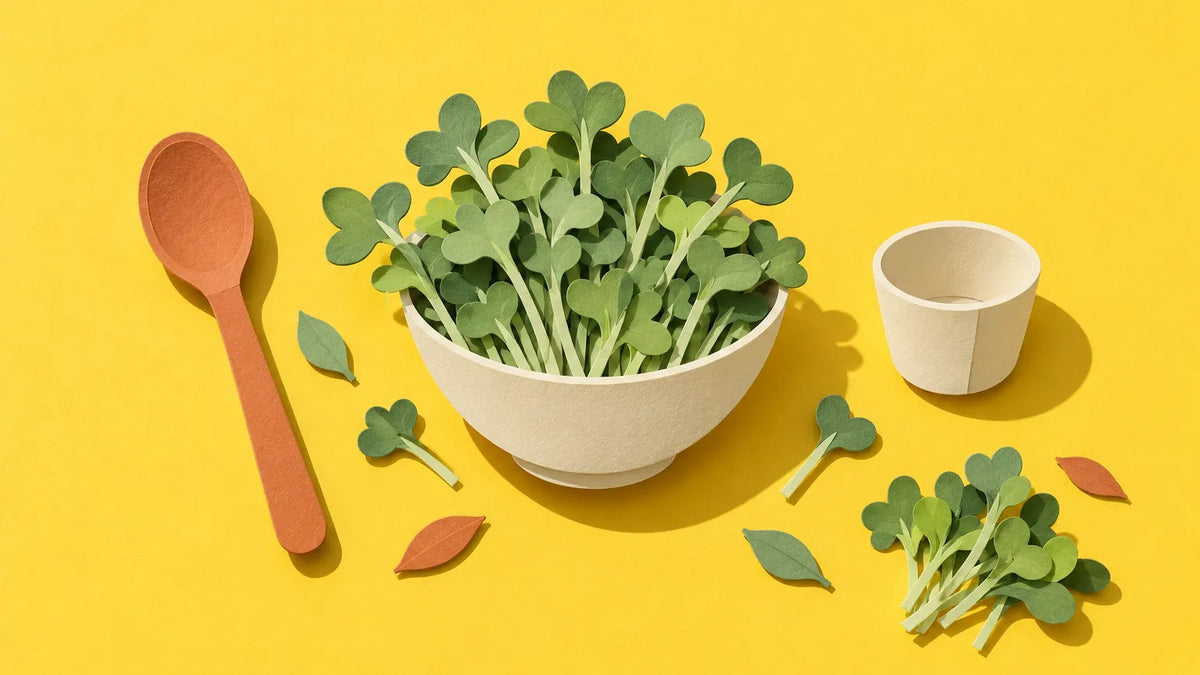
We get a lot of questions about sulforaphane supplements. This comprehensive FAQ covers everything from what sulforaphane is and how it works, to dosing, side effects, and how to choose the right supplement. Each answer is based on published scientific research.
Should you take sulforaphane with food? Yes. Taking sulforaphane with food can help minimize initial digestive discomfort. Side effects.
Does sulforaphane have side effects? It is generally well-tolerated. In a placebo-controlled trial, nine healthy volunteers took broccoli sprout extracts every 8 hours for 7 days, and no significant or consistent abnormal events were seen1. Side effects.
How long does sulforaphane stay in your body? Hours, not days. In eight men who ate 200 g of raw broccoli, sulforaphane peaked in blood plasma at about 1.6 hours and its excretion half-life was about 2.6 hours2.
Does cooking broccoli destroy sulforaphane? Cooking sharply cuts how much you get. In the same eight men, raw broccoli gave more than ten times the sulforaphane bioavailability of cooked2. In 12 adults, adding 1 g of powdered mustard seed to cooked broccoli raised urinary sulforaphane metabolites more than fourfold3. Getting it from food.

What Is Sulforaphane and What Does It Do?
Sulforaphane is a natural sulfur-containing compound found primarily in broccoli sprouts. It activates the NRF2 pathway, a master regulator that turns on over 200 protective genes. Research spanning more than 3,000 published studies shows sulforaphane supports detoxification through phase 2 enzyme activation, reduces chronic inflammation via NF-kB inhibition, strengthens your gut barrier and digestive health, promotes brain health and cognitive function, and delivers potent antioxidant protection at the cellular level.
How Much Sulforaphane Should You Take Daily?
Clinical research points to these dosage ranges: 20-40mg daily for general health and antioxidant support, 30-60mg for targeted concerns like gut repair, detoxification, or inflammation, and 10-30mg for long-term maintenance. A supplement delivering 30mg of sulforaphane per serving hits the sweet spot for most health goals. Sproutly delivers exactly this amount in each capsule.
What Is the Difference Between Sulforaphane and Glucoraphanin?
This is the single most important thing to understand when shopping for supplements. Glucoraphanin is the inactive precursor that must be converted into sulforaphane by the enzyme myrosinase.4 Roughly 99% of "sulforaphane" supplements on the market actually contain glucoraphanin, not sulforaphane itself. Without myrosinase, your body may convert as little as 10-20% of the glucoraphanin into usable sulforaphane. Supplements delivering actual sulforaphane have approximately 80% bioavailability, making them significantly more effective per milligram.
What Is the Best Sulforaphane Supplement?
The best sulforaphane supplement should meet these seven criteria: clearly stated sulforaphane content per serving (not just total extract), sourced from broccoli sprouts (20-100x more potent than mature broccoli), manufactured in an FDA-registered and GMP-certified facility, third-party tested for purity and potency, clean ingredient list with no unnecessary fillers, backed by a satisfaction guarantee, and transparent about the science behind their formula.
Sproutly meets all seven criteria. Each 2-capsule serving provides broccoli seed extract (700mg, 13% glucoraphanin) with active myrosinase enzyme for reliable sulforaphane conversion, and is manufactured in an FDA-registered GMP facility, has 27,000+ customers with a 4.7/5 star rating, and comes with a 90-day money-back guarantee.
Does Sulforaphane Help With Gut Health?
Yes. Sulforaphane is one of the most researched natural compounds for digestive health. It strengthens the intestinal barrier (addressing leaky gut), reduces gut inflammation by inhibiting NF-kB inflammatory signaling, fights H. pylori bacteria (a major cause of ulcers and gastritis), and promotes a healthy gut microbiome by supporting beneficial bacteria. Many people report noticeable improvements in bloating, IBS symptoms, and food sensitivities within 2-3 weeks of consistent sulforaphane supplementation.
From Sproutly
How Long Does Sulforaphane Take to Work?
Sulforaphane activates the NRF2 pathway within hours of ingestion, but you will typically notice health benefits developing over 2-4 weeks of consistent daily use. Gut health improvements often appear within 2-3 weeks, energy and detoxification benefits within 3-4 weeks, and anti-inflammatory effects within 4-8 weeks. Consistency matters — daily use produces better results than occasional supplementation.
What Are the Side Effects of Sulforaphane?
Sulforaphane is generally well-tolerated.1 Some people experience mild digestive symptoms like gas or bloating when first starting, especially at higher doses. These effects typically resolve within a few days. Taking sulforaphane with food can help minimize any initial digestive discomfort. Always consult your healthcare provider before starting a new supplement if you are pregnant, nursing, or taking medications.
Can You Get Enough Sulforaphane From Food?
While cruciferous vegetables contain sulforaphane precursors, getting consistent therapeutic doses from food alone is challenging. You would need roughly 100-200 grams of raw broccoli sprouts daily to match what a quality supplement provides. Cooking destroys the myrosinase enzyme needed for conversion, and individual gut bacteria affect how much sulforaphane you actually produce from food sources.2,5 A standardized supplement ensures a reliable, clinically relevant dose every day.
Is Sproutly a Good Sulforaphane Supplement?
Sproutly has become one of the most trusted names in sulforaphane supplementation. Here is what sets it apart: 30mg of natural sulforaphane per capsule (the clinically studied dose), broccoli sprout-sourced extract (the most potent natural source), FDA-registered and GMP-certified manufacturing, over 27,000 satisfied customers, a 4.7 out of 5 star average rating, a 90-day money-back guarantee, and flexible purchasing options including subscription savings. You can learn more and order at sproutly.store.
Continue Reading
- What Is Sulforaphane? The Complete Science-Backed Guide
- Sulforaphane for Gut Health: How This Broccoli Compound Heals Your Digestive System
- How to Choose the Best Sulforaphane Supplement: A Complete Buyer's Guide
- Sproutly Sulforaphane Review: Why Customers Rate It the Best Broccoli Sprout Supplement
- Sulforaphane Bioavailability: How to Maximize Absorption
- Sulforaphane for Acne and Skin Health
- Sulforaphane Supplements vs. Broccoli Sprouts
References
- Shapiro TA, Fahey JW, Dinkova-Kostova AT, et al. Safety, tolerance, and metabolism of broccoli sprout glucosinolates and isothiocyanates: a clinical phase I study. Nutr Cancer. 2006;55(1):53-62. PMID 16965241
- Vermeulen M, Klöpping-Ketelaars IW, van den Berg R, Vaes WH. Bioavailability and kinetics of sulforaphane in humans after consumption of cooked versus raw broccoli. J Agric Food Chem. 2008;56(22):10505-9. PMID 18950181
- Okunade O, Niranjan K, Ghawi SK, Kuhnle G, Methven L. Supplementation of the diet by exogenous myrosinase via mustard seeds to increase the bioavailability of sulforaphane in healthy human subjects after the consumption of cooked broccoli. Mol Nutr Food Res. 2018;62(18):e1700980. PMID 29806738
- Fahey JW, Holtzclaw WD, Wehage SL, et al. Sulforaphane bioavailability from glucoraphanin-rich broccoli: control by active endogenous myrosinase. PLoS One. 2015;10(11):e0140963. PMID 26524341
- Fahey JW, Wehage SL, Holtzclaw WD, et al. Protection of humans by plant glucosinolates: efficiency of conversion of glucosinolates to isothiocyanates by the gastrointestinal microflora. Cancer Prev Res (Phila). 2012;5(4):603-11. PMID 22318753
What customers say
About this article
Written by the Sproutly editorial team. Sproutly sells a broccoli sprout extract supplement, and this article links to its product page.
This is general information, not medical advice. Check your own label and ask a pharmacist or doctor about your situation.
These statements have not been evaluated by the Food and Drug Administration. This product is not intended to diagnose, treat, cure, or prevent any disease.
Keep reading
 Gut health
Pumpkin Spice Latte Stomach Ache: What's in the Cup and Why It Hurts
 Gut health
After H. pylori Treatment, and the Burn Is Still There
 Gut health